Sharing the AFTER study: Connecting research, services and lived experience
Over recent weeks, the Armed Forces genital Trauma and psychosexual Experiences Research (AFTER) study has had the opportunity to share its work at two important events, connecting with researchers, healthcare professionals, veterans, policy-makers and others working to improve support for the Armed Forces community.
These events provided valuable opportunities to raise awareness of the psychosocial, relationship and sexual wellbeing challenges that can follow military service-related injuries, and to discuss how research can help inform more effective, evidence-based support.
Sharing our research at the QNVMHS Annual Forum
On 29th September 2026, our research associate Dr Sam Brooks presented “Understanding long-term psychosocial and sexual impacts of conflict-related genital injury to develop evidence-based psychological support” at the Quality Network for Veterans Mental Health Services (QNVMHS) 6th Annual Forum, held at the Royal College of Psychiatrists in London. The presentation introduced the AFTER study, outlining its design and methodology, the findings of our first literature review, and what the research hopes to achieve.
Our literature review explored what is currently known about the psychosocial, relationship and sexual wellbeing impacts of military service-related genital injury, intimate scarring and loss of function. The review identified just 11 relevant published research papers, highlighting how little research has been conducted in this area. Across the literature, findings indicated that these injuries can affect psychological wellbeing, identity, sexual function, intimate relationships and fertility, while support addressing these challenges remains limited. These findings underline the need for further research to better understand the experiences and support needs of affected veterans and their partners. The AFTER study aims to address these gaps by exploring veterans’ experiences, examining the perspectives of partners and former partners, and using the evidence generated to inform the development of appropriate, evidence-based support.
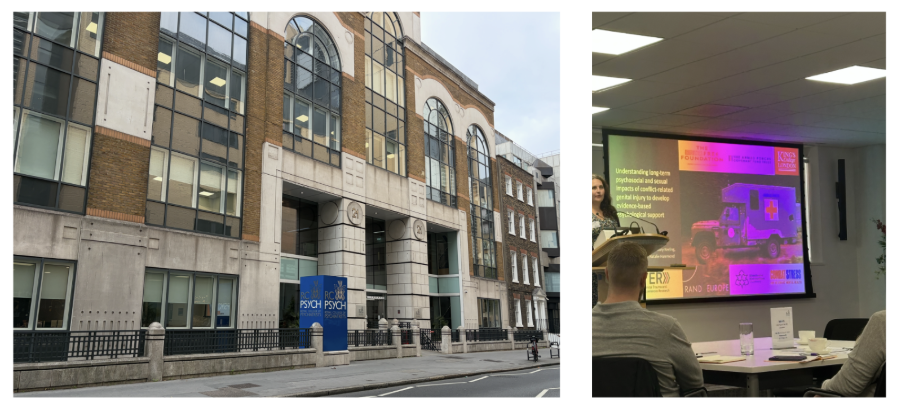
Sharing this work at the QNVMHS Forum was particularly valuable given its focus on veterans’ mental health services. It provided an opportunity to bring attention to an area of veteran wellbeing that can be overlooked, while contributing to wider conversations about how research can inform the support available to former service personnel.
We are grateful to QNVMHS for providing a platform to share this work with professionals committed to improving veterans’ mental health and wellbeing.
Taking the conversation to an international audience
The AFTER study was also represented at the Canadian Institute for Military and Veteran Health Research (CIMVHR) Forum (October 19th – 21st 2026), where our co-Lead Researcher, Dr Mary Keeling, presented two posters showcasing different aspects of the project.
The first poster shared the findings of our literature review, highlighting the limited existing evidence on the impacts of military service-related genital injury, scarring and loss of function on psychosocial, relationship and sexual wellbeing.
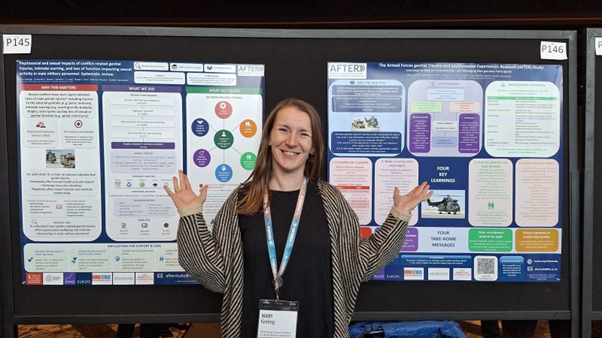
The second poster explored our experiences of conducting the AFTER study using a participatory approach. It highlighted the valuable contributions of our three research advisors, who help shape the research and will work alongside the team to co-design support informed by the study’s findings. It also reflected on some of the practical challenges of conducting research with this relatively small and often overlooked population, including the difficulties of reaching eligible participants, and identifying non-genuine responses.
Presenting this work provided valuable opportunities to exchange ideas with international researchers and service providers, share learning from the research process, and discuss how the evidence generated might contribute to improved support for veterans and their partners.
Why this work matters
Together, these events have reinforced the importance of building the evidence base in an area that has received limited research attention. They have also provided opportunities to connect with colleagues, exchange ideas and consider how research findings can translate into meaningful improvements in support for veterans and their partners.
The AFTER study aims to address these evidence gaps by exploring the experiences and support needs of former UK service personnel affected by military service-related genital injury, scarring and loss of function, as well as the experiences of their partners and former partners. By combining research evidence with lived experience, we hope to contribute to the development of support that better reflects the needs and priorities of those affected.
Looking ahead
The AFTER study will continue to share its work and engage with colleagues across research and practice. In November 2026, Dr Mary Keeling will present “Beyond the Wound: Body Image, Sex, and Relationships Following Combat-Related Appearance-Altering Injuries — A Programme of Research and Future Directions” at the International Military Psychology Conference in Indonesia. This presentation will bring together eight years of research exploring the longer-term psychosocial impacts of combat-related appearance-altering injuries, including limb loss, scarring and genital injury. Drawing on qualitative and quantitative studies involving veterans, serving personnel, romantic partners and family members, the programme examines how changes to appearance can affect body image, psychological wellbeing, sexual functioning, intimacy and relationships.
By connecting findings across this wider programme of research, the presentation will highlight the importance of looking beyond physical recovery alone. It will explore the need for holistic, trauma-informed support that recognises the connections between physical injury, body image, mental wellbeing, sexual health and relationships, and that considers the needs of partners and family members alongside those of injured veterans.
Final thoughts
Across these events, a consistent message emerges: the intimate and psychosocial impacts of military-related injuries deserve greater research attention, and the experiences of those affected must inform the support developed in response.
By bringing together research evidence, professional expertise and lived experience, the AFTER study hopes to contribute to a better understanding of these challenges and help develop support that reflects the needs and priorities of veterans and their partners.
We would like to thank the organisers of these three events and everyone who has engaged with our work. Opportunities to share findings, learn from others and build connections are an important part of ensuring that this research can ultimately make a meaningful difference.